Single-Cell & Multiomics
Integrated single-nucleus RNA + ATAC (multiome), spatial, and CITE-seq analysis to map immune cell states at single-cell resolution.
bridging code and cure: advancing clinical impact through computational innovation
The Bioinformatics, Computational Genomics & Epigenetics Lab turns high-dimensional genomic data into biological insight, advancing vaccine and antiviral discovery.

The BCGE Lab blends computational and biological discovery, applying bioinformatics, genomics, and epigenetics to understand how the immune system responds to viruses and vaccines.
We integrate single-cell and multi-omic data, model systems-level immunity, and build machine-learning approaches to surface the signatures that predict protection, pushing the boundaries of biology as a programmable system to unlock new scientific and medical possibilities.
Computational methods applied to immunity, infection, and therapeutic discovery.
Integrated single-nucleus RNA + ATAC (multiome), spatial, and CITE-seq analysis to map immune cell states at single-cell resolution.
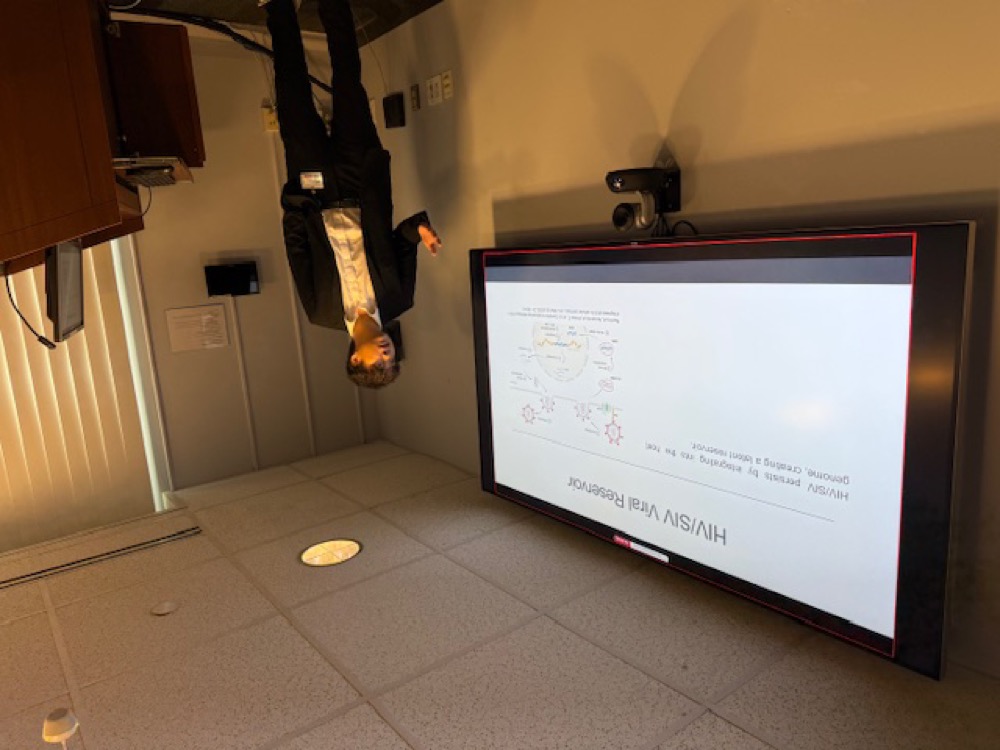
Systems-level modeling of vaccine responses and viral reservoirs (HIV/SIV and emerging pathogens) to define correlates of protection.
Chromatin accessibility, gene regulation, and the epigenetic programming of immune memory across time and tissue.
Predictive models and multi-omic data integration to surface biomarkers and mechanistic hypotheses from complex datasets.
Investigating host features that impede viral integration, persistence, and latency, to identify mechanisms of control, discover therapeutic targets for cure, and correlate biomarkers of rebound.
Computational analysis of host–virus interactions to identify therapeutic targets, prioritize antiviral compounds, and guide rational vaccine and immunogen design.
scRNA-seq, ATAC-seq, spatial, proteomics & more
Scalable pipelines for large-scale analysis and modeling
From mechanism to intervention for improved human health
Reproducible, transparent, and collaborative research
Click any portrait for a short bio.

Principal Investigator
Center for Virology and Vaccine Research · Beth Israel Deaconess Medical Center · Harvard Medical School
Computational immunologist working at the interface of bioinformatics, genomics, and epigenetics to advance vaccine and antiviral discovery. Recognized as an Influential Woman 2025.
maid@bidmc.harvard.eduBioinformatician Scientists

Bioinformatician Scientist
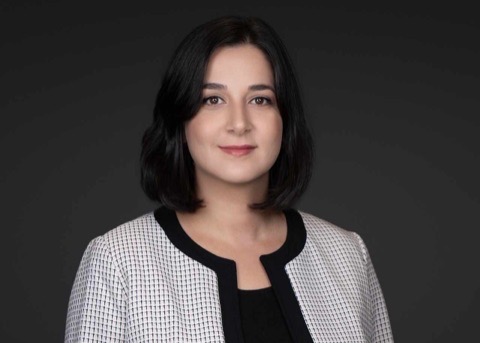
Bioinformatician Scientist

Postdoctoral Fellow
Current Interns
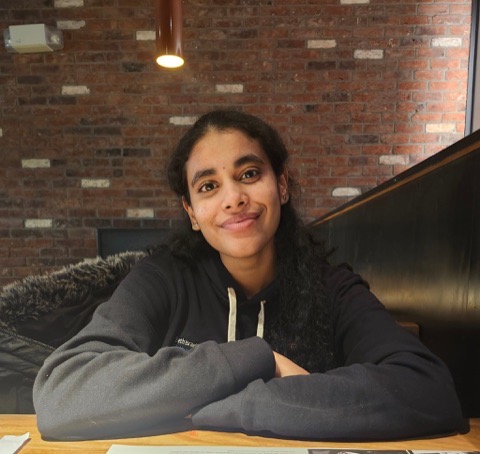
Intern
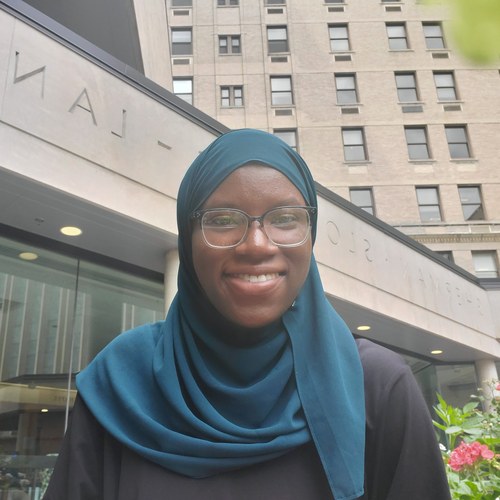
Intern
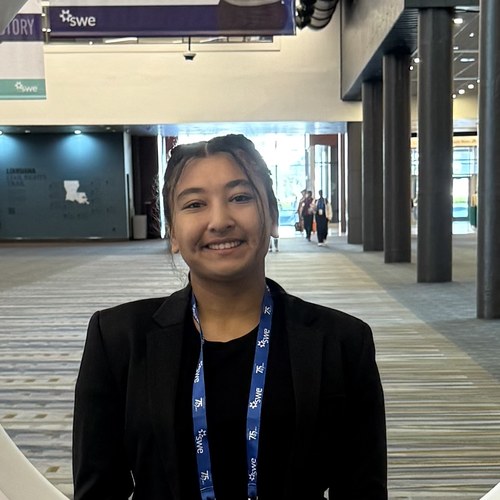
Intern

Intern

Intern

Intern
Alumni

Postdoctoral Fellow

Intern

Intern

Intern

Intern

Intern

Intern

Intern

Intern
Click any paper to see it on its own.

Nature Immunology · 2026
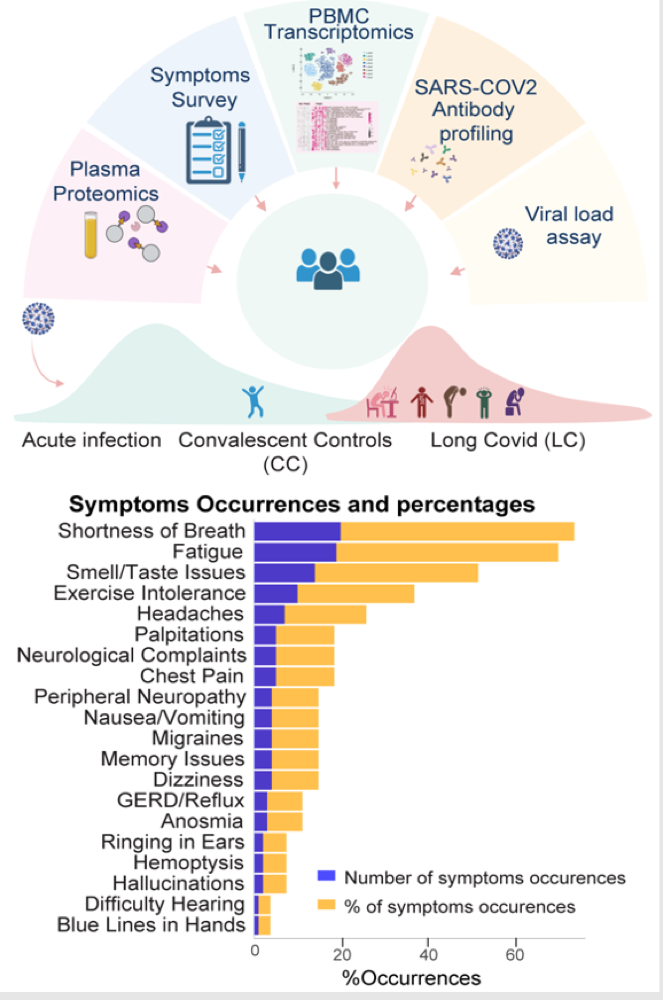
Long COVID involves activation of proinflammatory and immune exhaustion pathways

Cell · 2020
Vascular disease and thrombosis in SARS-CoV-2-infected rhesus macaques

Nature Medicine · 2024
Safety and antiviral effect of a triple combination of HIV-1 broadly neutralizing antibodies: a phase 1/2a trial
ZNF143 provides sequence specificity to secure chromatin interactions at gene promoters
Zika virus persistence in the central nervous system and lymph nodes of rhesus monkeys
Initiation of antiviral B-cell immunity relies on innate signals from spatially positioned NKT cells
Mucosal boosting enhances vaccine protection against SARS-CoV-2 in macaques
Immediate dysfunction of vaccine-elicited CD8+ T cells primed in the absence of CD4+ T cells
Follicular CD4 T-helper cells as a major HIV reservoir compartment: a molecular perspective
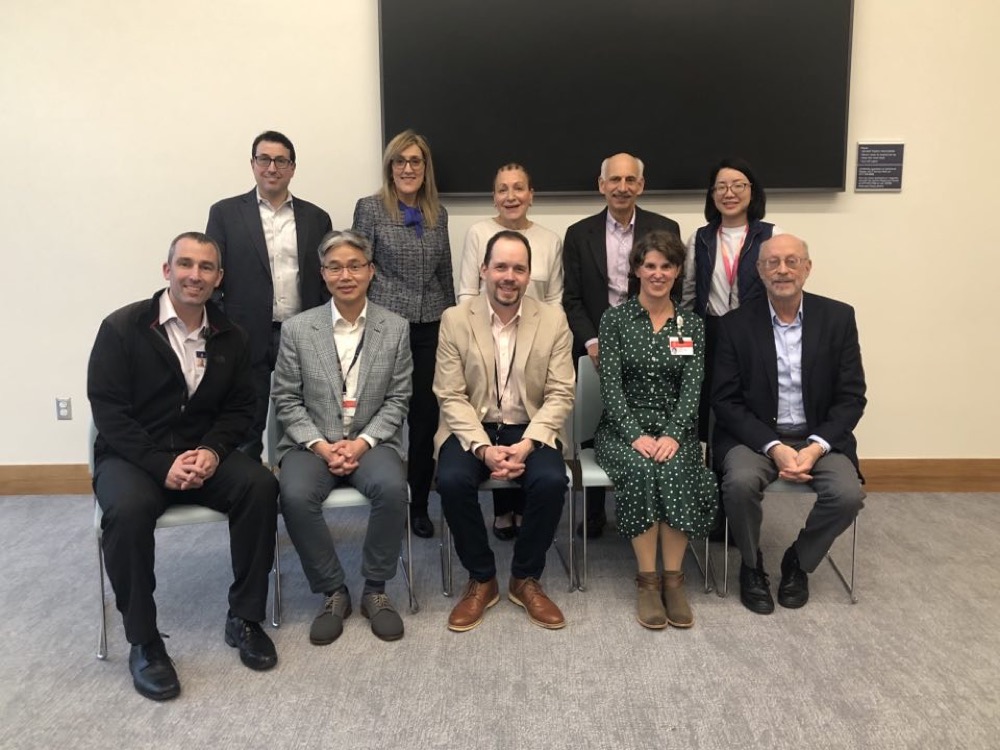
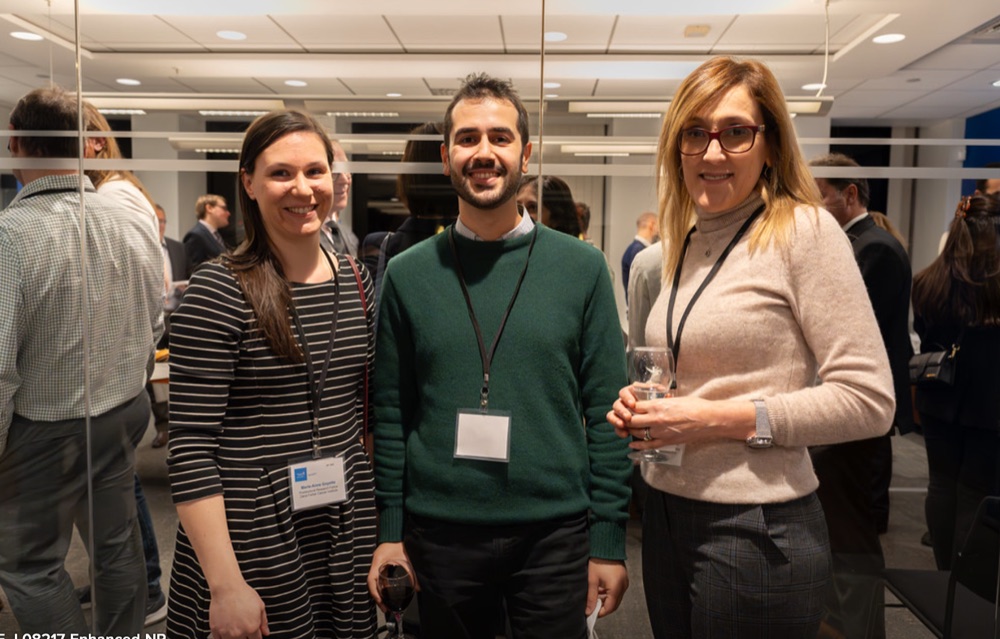
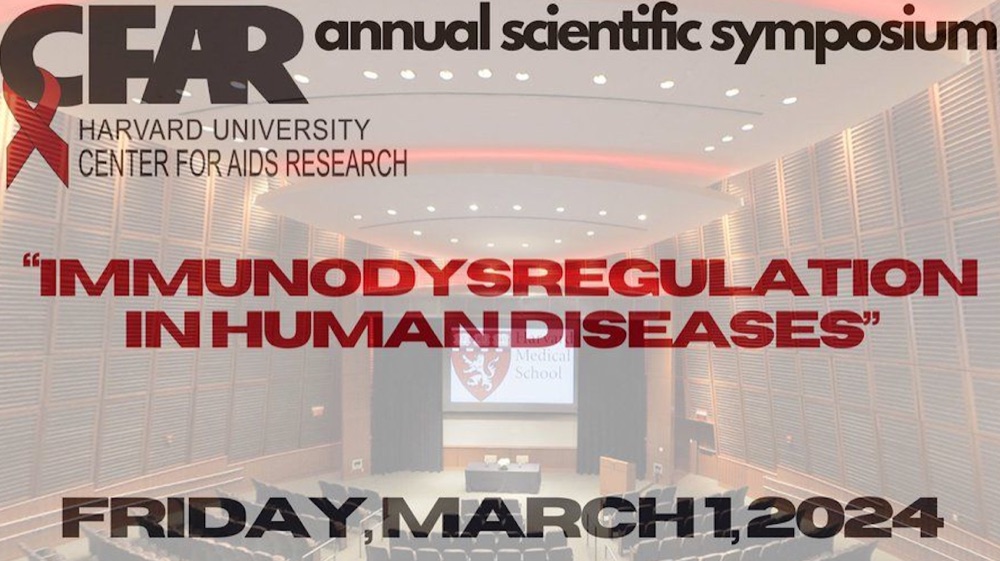
Talks, posters, symposia, and lab milestones.

Fuel Discoveries
Our lab sits at the interface of computational biology and medical discovery, turning big, messy data into insights that improve human health, while training the next generation of scientists. Your support directly funds paid research opportunities, mentoring, and hands-on training, with a special focus on empowering women and girls in STEM.
We work where computational biology meets medical discovery, from algorithm design to real-world application, building tools and evidence that move ideas from code to clinic.
We welcome curious scientists (postdocs, students, and bioinformaticians) excited about turning data into discovery.
Get in touchCenter for Virology & Vaccine Research · Beth Israel Deaconess Medical Center · Boston, MA
3 Blackfan Circle · Center for Life Science (CLS) · Boston, MA 02115 · Open in Google Maps →
Questions, collaborations, or joining the lab. Reach out.
Center for Virology & Vaccine Research
Beth Israel Deaconess Medical Center
Harvard Medical School
3 Blackfan Circle · Center for Life Science (CLS)
Boston, MA 02115, USA
Dr. Malika Aid-Boudries
maid@bidmc.harvard.edu